
Sesc São Paulo Cultural Centres Network


ProjectSesc São Paulo Cultural Centres NetworkLocationSão Paulo State, BrazilManufacturersPowersoftInstallerAVM Projetos e Consultoria em tecnologiaSubmitted ByPowersoft

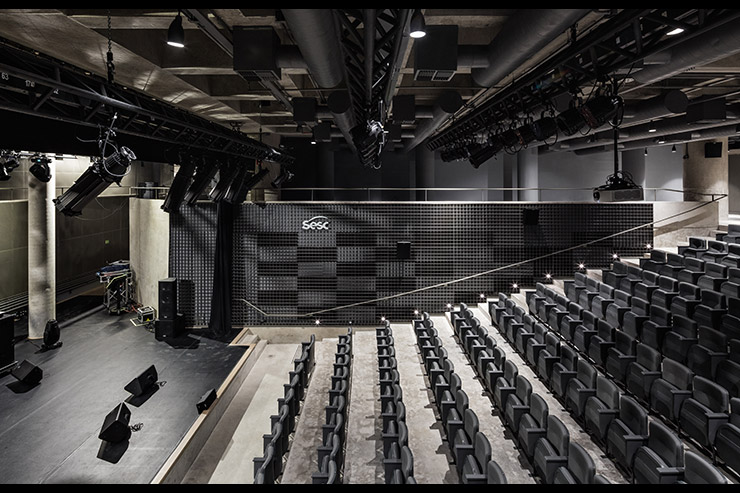
Across São Paulo state, Sesc’s network of cultural centres hosts concerts, theatre, workshops and lectures. To support this, AVM Projetos deployed a scalable audio infrastructure using over 100 network-enabled Powersoft Duecanali amplifiers across multiple venues.

The system delivers consistent sound quality with low energy consumption and simplified operation. Installed across diverse performance spaces, it enables seamless transitions between artistic and educational programming, supporting large-scale cultural activity with efficient, flexible audio technology.

The Sesc São Paulo network represents one of Brazil’s most ambitious cultural infrastructure programmes, operating 43 multipurpose centres across the state that host concerts, theatre productions, educational activities and community events throughout the year.

To support this diverse programming schedule, Sesc partnered with technology consultant AVM Projetos e Consultoria em Tecnologia, led by Reinaldo Pargas, to design and standardise audio systems across multiple venues.
The design approach focused on creating a flexible and scalable audio backbone capable of supporting a wide variety of room types and event formats while maintaining consistent performance across the network.

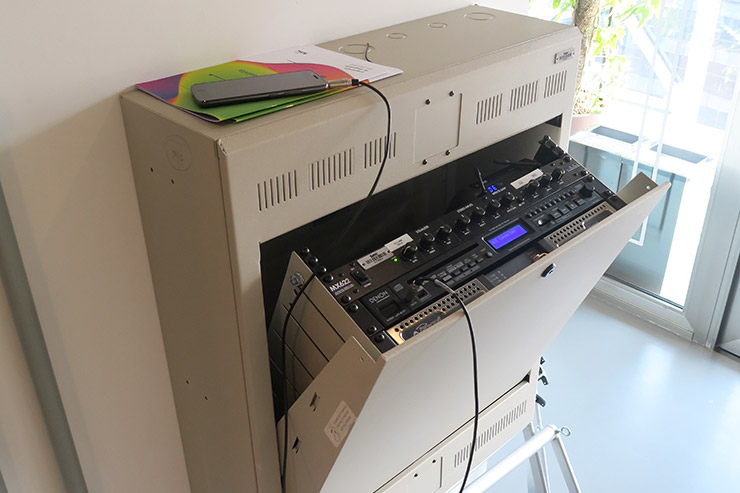
More than 100 Powersoft Duecanali amplifiers were deployed across multiple Sesc centres, forming the core of the audio infrastructure for performance spaces, lecture halls and multipurpose rooms.

The Duecanali amplifier platform, selected in DSP-enabled variants, provides onboard signal processing alongside Dante/AES67 network audio connectivity, enabling system designers to route audio signals directly over IP and configure system tuning via centralised control software.

These amplifiers combine high power density with extremely low heat dissipation and energy consumption — a key consideration for venues that operate seven days a week with continuous programming, often hosting multiple events in different spaces within the same day.

The design also allows the same amplifier platforms to drive both low-impedance loudspeaker systems and distributed 70/100V installations, providing the flexibility needed to accommodate varied architectural spaces across the Sesc network.

Through this scalable architecture, AVM Projetos delivered a unified audio infrastructure capable of supporting the diverse programming requirements of Sesc venues while maintaining operational simplicity for staff and visiting artists.

The primary challenge was designing a sound system architecture capable of supporting a large network of multipurpose cultural venues, each with different spatial layouts, acoustic characteristics and programming needs.
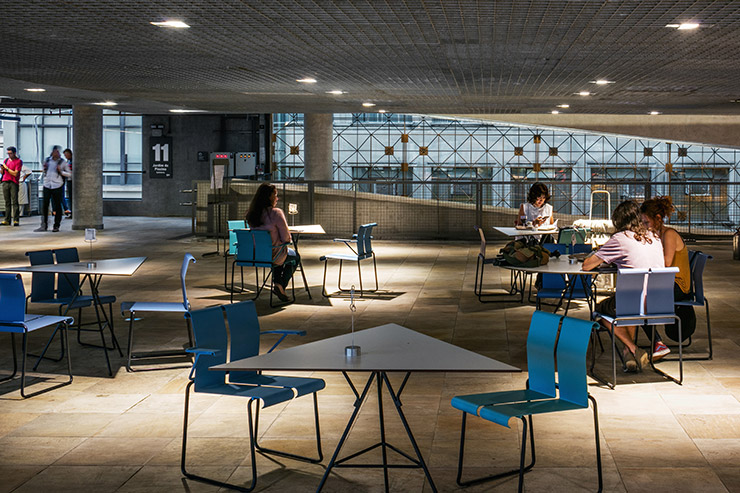
Sesc centres host a broad range of activities, from children’s workshops and lectures to concerts and theatrical performances, often occurring within the same facility on the same day.

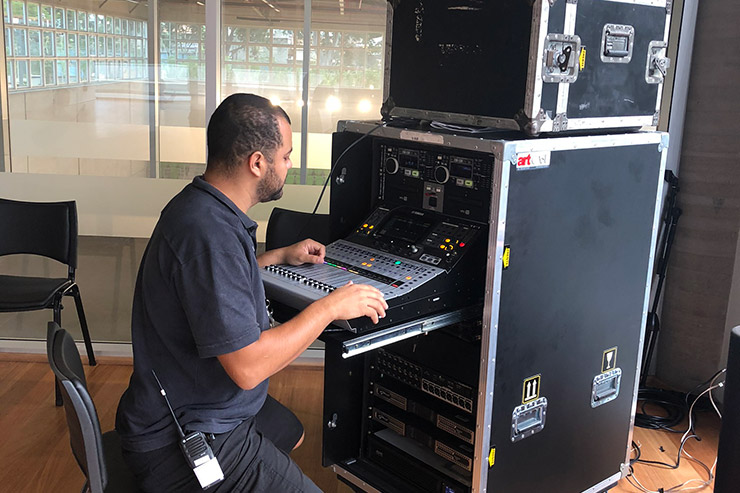
The system therefore needed to deliver consistent audio performance across very different use cases, while remaining easy for venue staff to operate without specialised technical knowledge.

Another key challenge involved maintaining energy efficiency and thermal management across installations that operate continuously throughout the week. Reducing power consumption and heat output was critical for long-term operational sustainability.

Finally, the infrastructure needed to provide long-term scalability, allowing new Sesc centres to adopt the same audio architecture as the network continues to expand.

Rather than focusing on a single flagship venue, the Sesc São Paulo programme operates at an entirely different scale, delivering consistent audio infrastructure across a vast network of cultural centres.

This unified approach ensures that performances, workshops and community events benefit from the same level of technical quality, regardless of location. High-efficiency amplification and networked audio design simplify operation while reducing energy consumption across the system as a whole.

For visiting artists and audiences alike, the result is reliability and consistency; for the organisation, it is a scalable and sustainable model for cultural delivery. The project’s true strength lies in this combination of technical coherence and wide-reaching social impact.