

Open Ground


ProjectOpen GroundLocationWuppertal, GermanyManufacturersFunktion-OneInstallerFunktion-One Deutschland / VunktionSubmitted ByFunktion-One

Open Ground is a nightclub built inside a former underground bunker in Wuppertal, Germany, developed over seven years with sound quality and the dancefloor experience as the primary design drivers.

Led by Markus Riedel and Mark Ernestus, the project integrated room geometry, acoustic treatment and a Funktion-One system – based around Evo 6 loudspeakers, F221 bass enclosures and F132 subwoofers – from the outset.

The bunker’s concrete structure required extensive acoustic work to control reflections and deliver even coverage, a stable stereo image and a controlled low-frequency response. A January 2026 system upgrade refined these qualities further.

The sound system at Open Ground was conceived as a structural element of the venue rather than a later addition. From the earliest stages of development, loudspeaker placement, room geometry and acoustic treatment were considered together, with Funktion-One working closely alongside Funktion-One Deutschland and Vunktion to ensure the system and space developed as a unified whole.

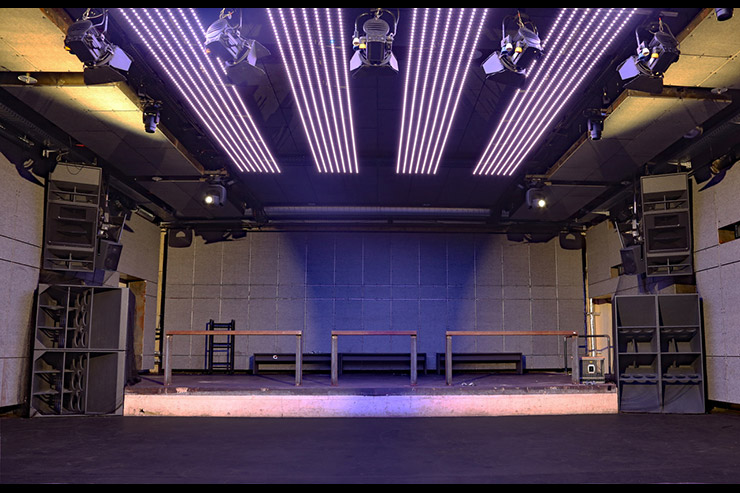
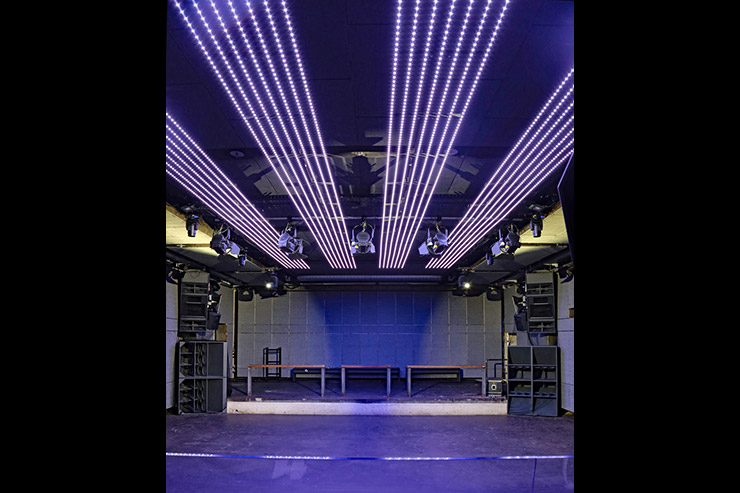
The main room, Freifeld, is built around a Funktion-One system centred on eight Evo 6E loudspeakers, chosen for their precision and pattern control. Evo 6EL speakers extend low-mid performance and help maintain consistent coverage across the dancefloor. Low frequency is handled by four F221 bass enclosures, with a pair of F132 horn-loaded subwoofers extending response into the lowest octave.

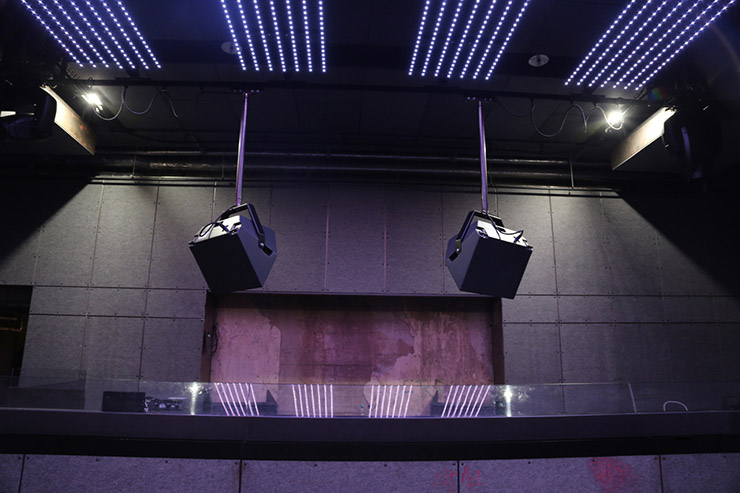
In the DJ booth, two PSM318 monitors deliver high output with low feedback and reliable tonal balance, ensuring the DJ’s perspective remains closely aligned with the dancefloor experience. The bunker’s hard concrete structure presented a significant acoustic challenge. With minimal natural absorption and a tendency toward strong reflections, controlling the room’s behaviour was central to the design process.

Extensive acoustic treatment was applied to allow the system to perform as intended, achieving even coverage, a stable stereo image and a low-frequency response that is powerful without being overpowering. In January 2026, a system upgrade was completed to refine and build on the existing system. Evo 6 coverage was doubled in each corner, four additional Evo 6EL units were introduced, and a further F221 bass enclosure was added.

Furthermore, all loudspeakers were updated to the latest specification. The objective was not to change the character of the room but to improve consistency — strengthening stereo definition, smoothing low-frequency distribution and ensuring reliable performance across different programme material and playback levels.

The venue’s secondary room is equipped with a more compact Funktion-One system, comprising two Res 2 loudspeakers, two F121 bass enclosures, one F124 and an F132 subwoofer, with two F1201 booth monitors. Across both spaces, the approach remains consistent: system performance in service of the music and the dancefloor.

The installation of the sound system at Open Ground was integrated into the broader conversion of a decommissioned Second World War bunker — a structure with no original provision for large-scale audio, public assembly or the acoustic demands of a nightclub environment.

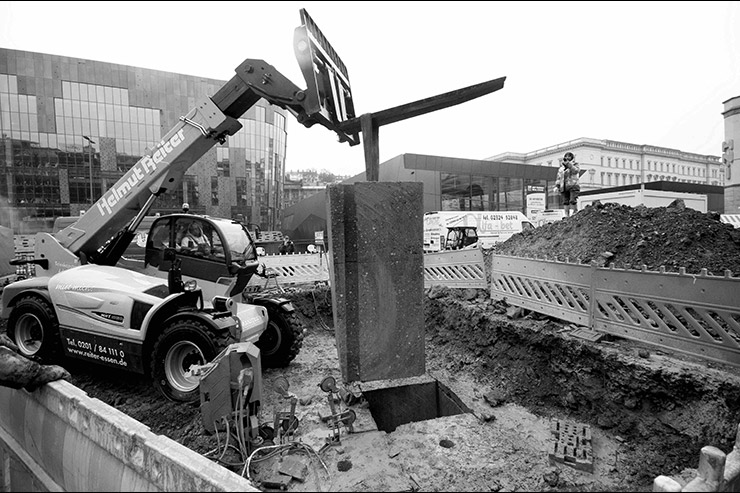
The bunker presented substantial challenges from the outset. Thick concrete walls and ceilings, limited natural ventilation and a layout composed of multiple smaller rooms meant that significant structural work was required before the space could function as intended.

Separate rooms were consolidated into a coherent main space, sections of concrete ceiling were cut through, and an unexpected water reservoir was repurposed to house ventilation systems and part of the secondary room.

Rather than treating the sound system as a final fit-out, Funktion-One worked with Funktion-One Deutschland and Vunktion alongside the project team from an early stage to establish loudspeaker positions and system layout before key structural and services decisions were finalised. This level of early coordination had practical consequences for the build.

Infrastructure including air conditioning was reworked to allow loudspeakers to be positioned correctly, rather than adapting the system design around fixed services. In a structure with little flexibility, this required careful planning and sequencing throughout the construction process.

Acoustic treatment was applied extensively across the space to address the natural behaviour of the concrete environment. Hard surfaces and confined geometry created a tendency toward strong reflections, and controlling this was essential to allow the system to achieve its intended performance — even coverage, a stable stereo image and a low-frequency response that remained controlled at volume.

The January 2026 upgrade presented a different kind of challenge. With the room and system already functioning well together, the objective was to improve consistency, stereo definition and low-frequency balance without disrupting what had been carefully established.

Additional Evo 6EL loudspeakers and an extra F221 bass enclosure were introduced, and all components were updated to the latest specification – expanding the system’s capability while preserving the character of the space.

Open Ground represents something that is frequently promised in club design but rarely delivered: a venue where the sound system, room acoustics and overall experience have been developed as a single, coherent project from the ground up.

That level of integration — sustained over seven years of development inside a decommissioned Second World War bunker — sets it apart from almost any comparable project. The technical achievement is significant. Converting a concrete bunker structure into a high-performance listening environment required extensive acoustic treatment to control reflections, reduce listener fatigue and allow a custom Funktion-One system to perform without reliance on high sound pressure levels.

The inclusion of large-format F132 horn-loaded subwoofers extends response into the lowest octave, delivering a physical but composed low end that remains consistent across the full dancefloor. The January 2026 upgrade demonstrates a continued commitment to refinement, improving coverage, stereo imaging and low-frequency balance while preserving the established character of the room.

The results have been widely recognised. Resident Advisor described Open Ground as setting “a new benchmark for sound and acoustics.” Floating Points has called it “probably the greatest-sounding club in the EU,” while drum and bass DJ Mantra described the experience as something that “can almost bring you to tears.” These responses point to something beyond technical specification — a room that connects with the people inside it.

Operationally, Open Ground takes a principled approach. A strict no-photos policy removes visual distraction and reinforces a focus on the dancefloor. The venue has built its reputation entirely through word of mouth, with the sound itself driving demand across Europe and beyond. That reputation has arrived quickly and held consistently, driven by direct experience rather than marketing. Open Ground should win because it sets a clear and replicable benchmark: that when sound is treated as the foundation of a project rather than an addition to it, the result is a venue that genuinely changes what people expect from a night out. That is a standard worth recognising.