
National WWI Museum and Memorial


ProjectNational WWI Museum and MemorialLocationKansas City, Missouri, United StatesManufacturersAV StumpflInstallerElectrosonicSubmitted ByAV Stumpfl

A major technological refresh at the National WWI Museum and Memorial in Kansas City has introduced immersive storytelling powered by AV Stumpfl’s PIXERA media server platform. Designed by Electrosonic, the system synchronises media across theatres, galleries and the Encounters exhibit. Multiple PIXERA servers drive responsive audiovisual sequences triggered by visitor interaction, integrating LED, projection, spatial audio and sensors. The result is a seamless, reliable environment that brings First World War stories to life across one of the world’s leading historical museums.

Electrosonic designed and delivered the audiovisual infrastructure for the National WWI Museum and Memorial’s technology refresh with the goal of enhancing visitor engagement while preserving the museum’s storytelling-led approach.

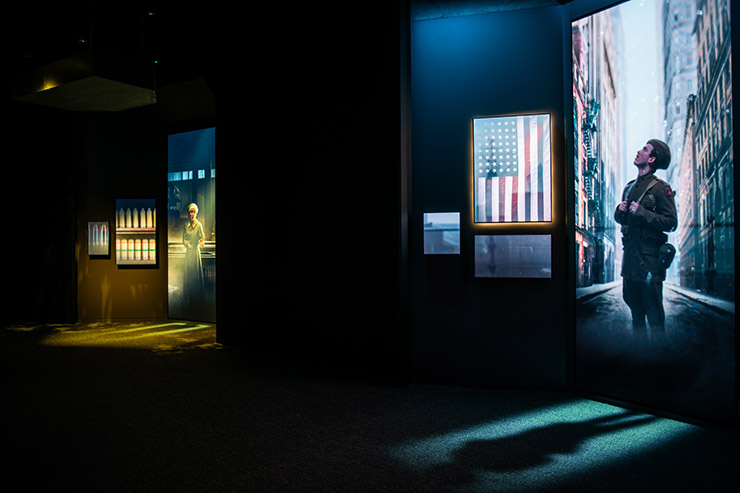
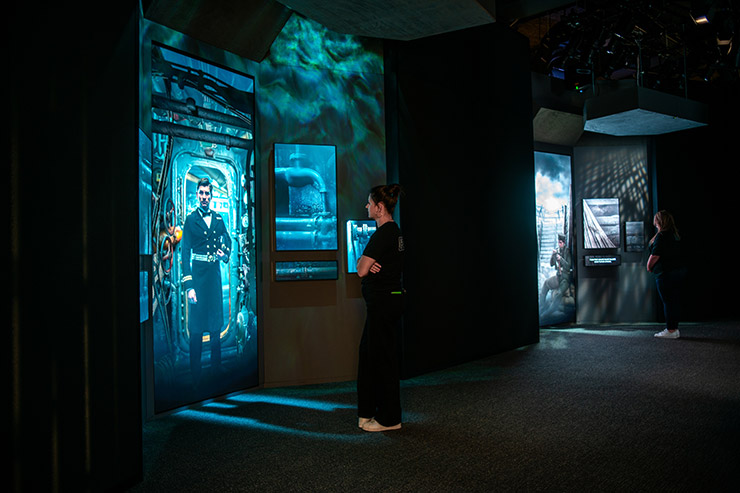
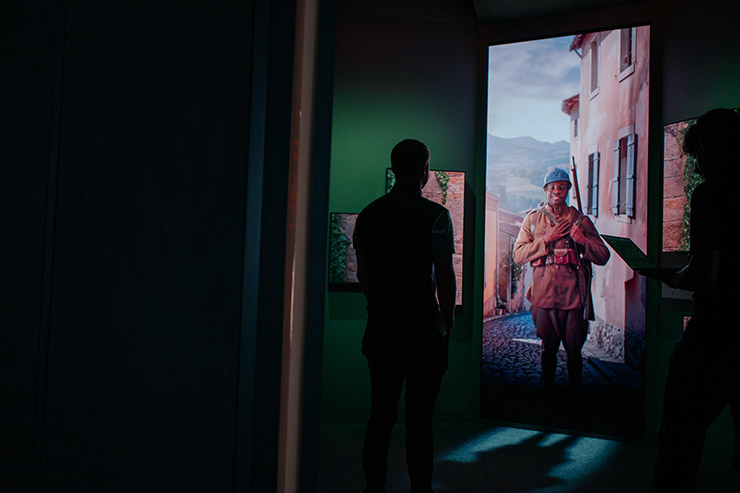
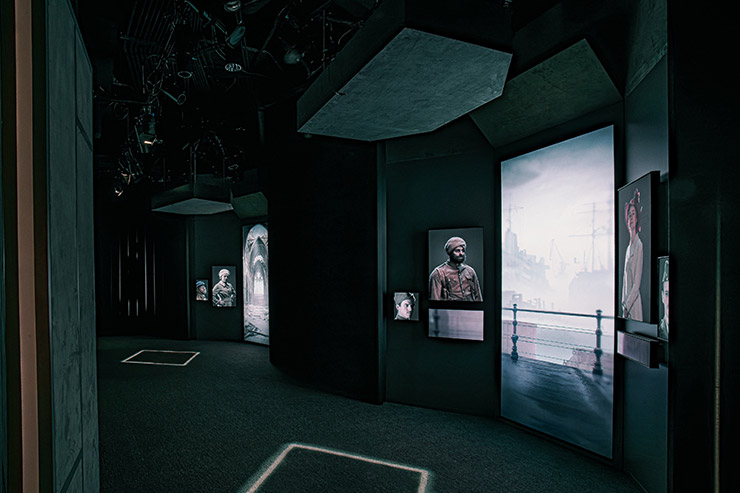
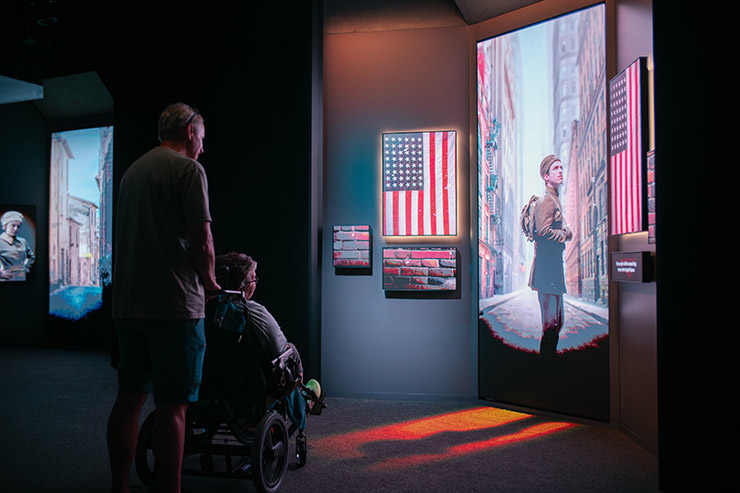
At the center of the project is the Encounters experience, an interactive installation that introduces visitors to 16 personal wartime stories through a sequence of responsive audiovisual moments. Drawn from letters, diaries and photographs, these stories are brought to life by actors from (Company) who embody the voices of combat soldiers, women munitions workers, colonial troops, a child, a dissenter and others — perspectives that together paint a broad and deeply human picture of the war’s lasting impact on modern society.

Electrosonic designed a tightly synchronised technical ecosystem to deliver these interactions. Each encounter combines high-resolution 1.25mm Nanolumens LED displays for the character visuals, HOLOPLOT spatial audio to create immersive sound zones without audio spill between alcoves, and concealed Christie Inspire Series projectors that cast dynamic shadows on the floor to create a striking three-dimensional illusion.

The entire sequence is orchestrated by three PIXERA media servers (two PIXERA two units and one PIXERA zero Dual), which manage sensor triggers and precisely synchronise video, projection and audio elements. As one character exits the scene and another appears, PIXERA ensures seamless timing and narrative continuity across the four portals.

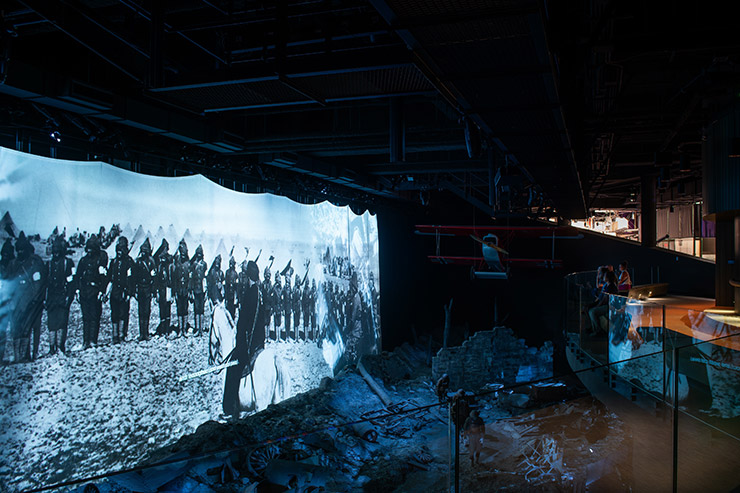
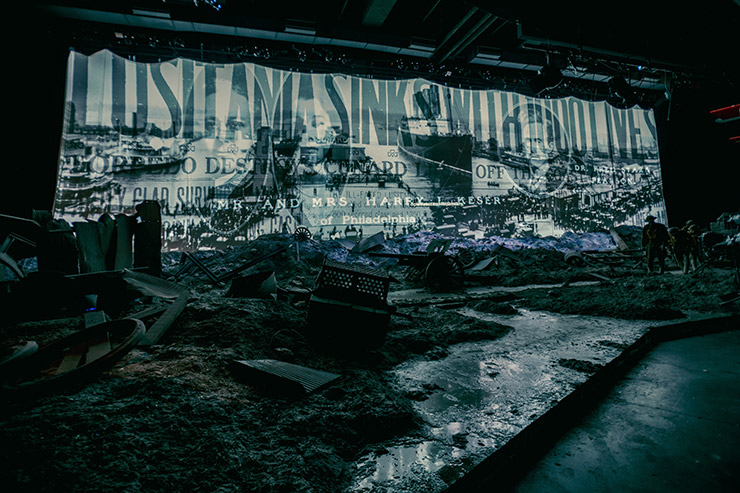
Beyond Encounters, PIXERA also manages media playback throughout other areas of the museum, including the Kemper Horizons Theater and the Battlescapes experience. Additional PIXERA servers and a PIXERA Control Core coordinate edge-blended projection environments and multimedia storytelling elements throughout the museum.

Integration with the ISAAC AV workflow platform allows the museum’s AV team to monitor and manage these systems efficiently, ensuring reliable operation across multiple interactive spaces.

One of the most significant challenges was orchestrating multiple immersive technologies within a museum environment while ensuring that the technology itself remained largely invisible to visitors.

The Encounters installation required extremely precise synchronisation between several independent systems, including LED displays, spatial audio zones, projection mapping and sensor-driven triggers. Each element needed to respond instantly to visitor interaction while maintaining a natural storytelling rhythm that would not feel overly mechanical or repetitive.

Another challenge was maintaining clear audio separation between the four alcoves, ensuring that visitors remained fully immersed in their chosen story without distraction from neighbouring experiences.

Operational reliability was also critical. The museum welcomes thousands of visitors and requires exhibits that can run continuously and consistently throughout daily operations.

AV Stumpfl’s PIXERA media server platform provided the processing power and synchronisation capabilities necessary to coordinate these complex systems. Its integration with projection workflows and the ISAAC AV platform enabled Electrosonic to create a unified control environment capable of supporting multiple high-impact installations simultaneously.

The National WWI Museum and Memorial installation demonstrates how advanced audiovisual technology can deepen historical storytelling while maintaining the authenticity and emotional weight of the subject matter.

Through the Encounters exhibit, visitors engage directly with personal wartime narratives in an intimate and highly immersive format. The seamless choreography of LED imagery, spatial audio and projection creates a powerful illusion of presence, allowing visitors to feel as though they are stepping into moments from the past.

From a technical perspective, the project showcases the ability of modern media server platforms to orchestrate complex interactive experiences across multiple spaces. PIXERA serves as the backbone of this ecosystem, synchronising sensor-driven triggers, video playback, projection mapping and spatial audio to create cohesive experiences that unfold naturally in response to visitor interaction.

By blending advanced audiovisual engineering with thoughtful experiential design, the project sets a new benchmark for immersive storytelling within museum environments and highlights how technology can enhance educational engagement without overshadowing the human stories at its core.