
MGM Theater


ProjectMGM TheaterLocationMGM COTAI-Avenida da Nave Desportiva, Cotai, MacauInstallerJoint Collaboration ProjectSubmitted ByMGM

MGM Theatre was delivered as a resort-integrated, multi-format performance venue for MGM, able to host large-scale productions, concerts, corporate events, ceremonies, and gala functions within one footprint. The vision was to achieve theatre-grade production capability—immersive audio, large-format dynamic video, integrated lighting/SFX and automation—while protecting hotel operations: fast, quiet changeovers, minimal guest disruption, and high safety/compliance. A core requirement was rapid reconfiguration, including a proscenium-to-flat-floor transformation in approximately 12 minutes, supported by modular seating, distributed connectivity, and repeatable, preset-driven workflows.

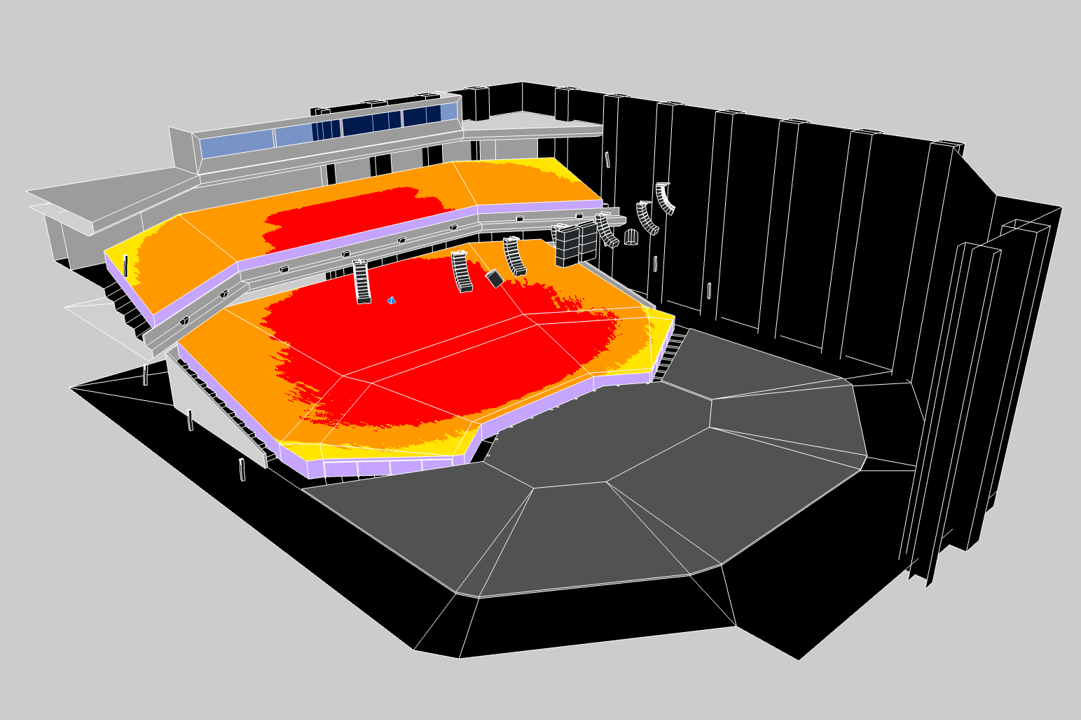
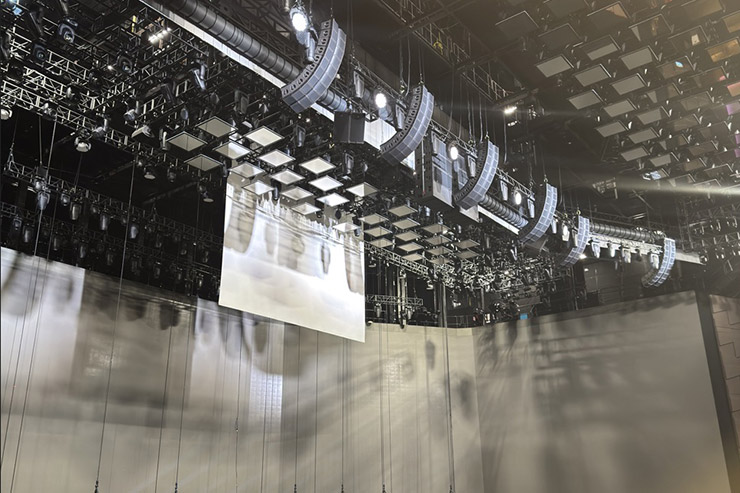
The installer engineered the audio system for consistent coverage, fast reconfiguration, and high reliability in a hotel-integrated venue. The process started with use‑case workshops (resident show, concerts, corporate, gala, flat‑floor), then predictive modelling and rigging coordination to define loudspeaker positions, network topology, and redundant signal paths. A flexible backbone was installed—networked audio distribution, distributed fibre/AES/analogue patch points, and modular FOH locations—so control can move without re-cabling.
Commissioning followed a theatre-standard workflow: network setup, system verification, then full alignment using L‑Acoustics P1 and Smaart to optimise frequency response, phase, and intelligibility across multiple audience geometries. Preset-based routing and interfacing were configured to support touring workflows (e.g., AVB, MADI, AES, analogue) while protecting system stability.
Audio technology is used in two key ways: (1) L‑ISA immersive mixing for precise localisation and enveloping sound fields for productions and concerts; (2) rapid mode changes to hybrid or traditional LCR and zoned reinforcement for corporate and banquet formats.
The results demonstrate even, high impact sound in every configuration, with repeatable and quick turnarounds that do not require re engineering. The theatre operates as a fully “tour ready” platform, improving reliability through structured commissioning, monitoring, and maintenance documentation while maintaining guest comfort via controlled SPL targets and consistent tonal balance.

The installer delivered the lighting system as a reconfigurable, show-ready platform that supports rapid venue transformations and multiple event styles. The process began with coordinated planning across lighting, rigging/automation, video and operations to define trim heights, focus zones, patching, and cueing requirements for proscenium, concert, corporate and flat-floor modes. They installed a predominantly LED-based rig with standardised power and data distribution, plus distributed nodes to support alternative FOH and backstage control positions.
Commissioning focused on reliability and repeatability: network verification, fixture addressing, baseline calibration, and creation of consistent focus libraries, preset positions, and showfile templates. The control environment (GrandMA2/GrandMA3) was configured for both cue-stack theatre operation and busking workflows, with timecode integration enabling accurate synchronisation with video, automation and SFX. Laser and atmospheric/SFX systems were integrated with defined safety procedures and operational interlocks.
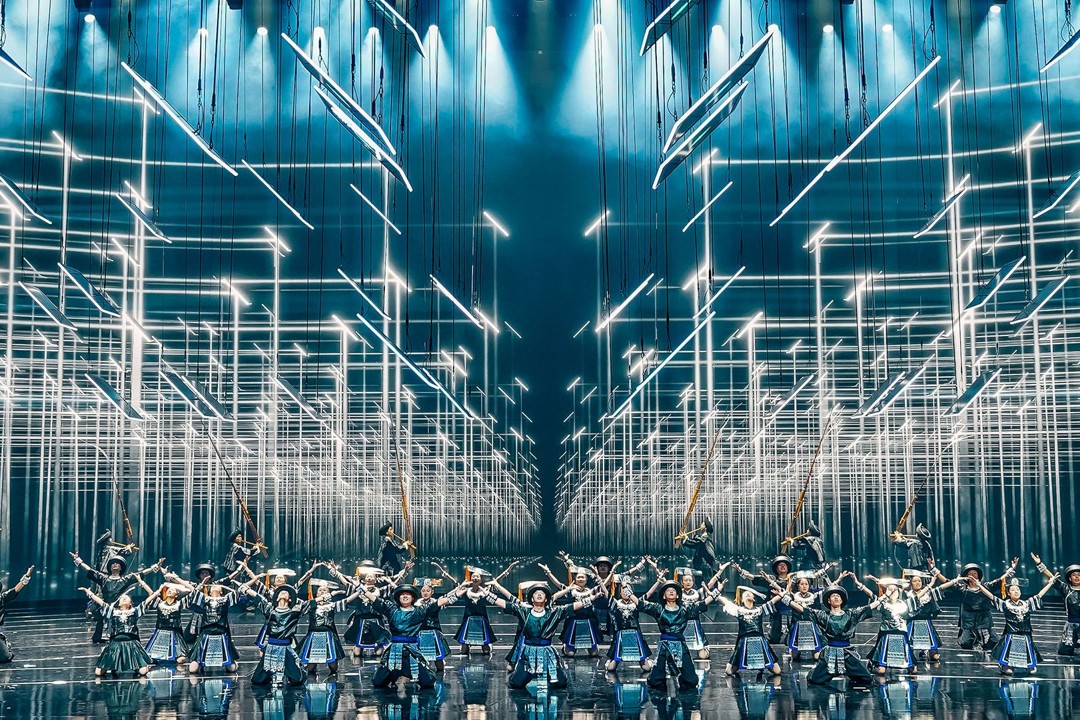
Lighting technology is used to reshape the venue’s identity on demand—high-impact concert looks, nuanced theatrical storytelling, or restrained corporate palettes—while maintaining consistent colour, angle and intensity across changing room geometries.
The results include faster changeovers, repeatable visual quality across formats, reduced heat and power load through LED infrastructure. They also deliver higher operational confidence through standardised programming, robust distribution, and CMMS-supported maintenance and compliance.

The video system delivered a pixel-accurate, resilient visual platform built for rapid format changes in a hotel-integrated venue. The process started with show-use workshops (resident production, concerts, corporate, ceremonies) to define content formats, routing needs, FOH locations, sightlines, and LED motion requirements. They then built the backbone: fibre/IP distribution, standardised patching, and a centralised equipment/control environment for clean changeovers.
Commissioning focused on stability and repeatability: LED mapping and calibration, genlock/timecode verification, routing validation, and redundancy tests across critical paths. Playback and processing were configured around Disguise GX3 servers (director/actors + active backup) for reliable 4K timelines, Megapixel VR Helios for high-bit-depth LED processing, and a ROSS Ultrix core router with multiviewers for fast source management. Analog Way Aquilon supports layered presentations and corporate switching, while projection systems provide additional surfaces when required.
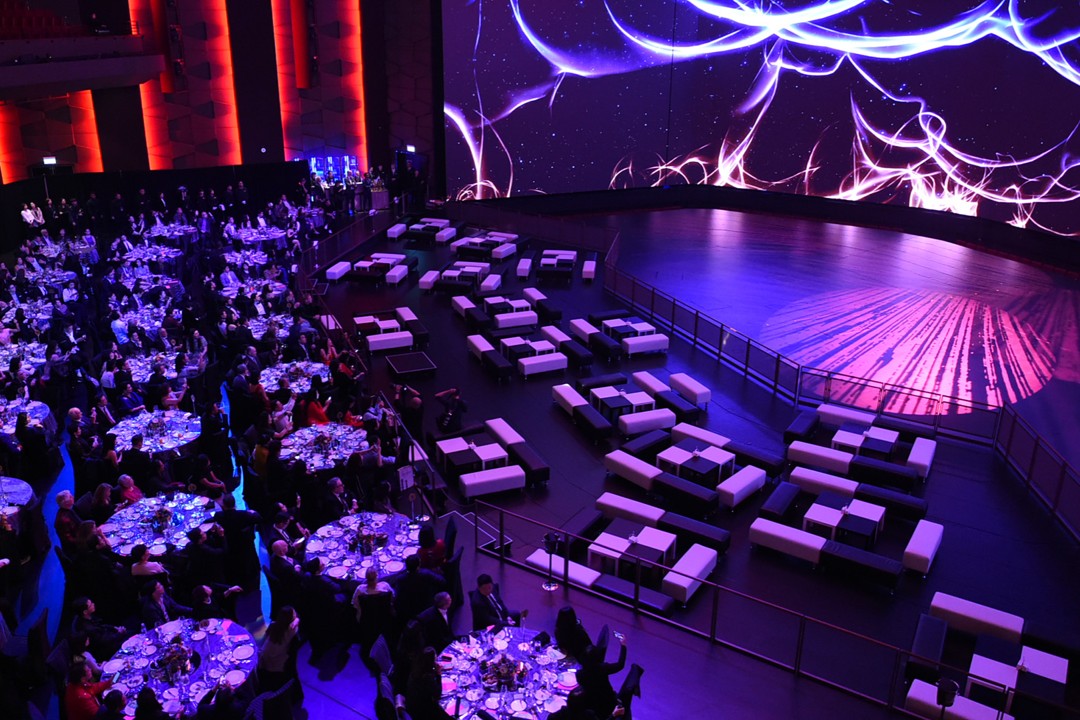
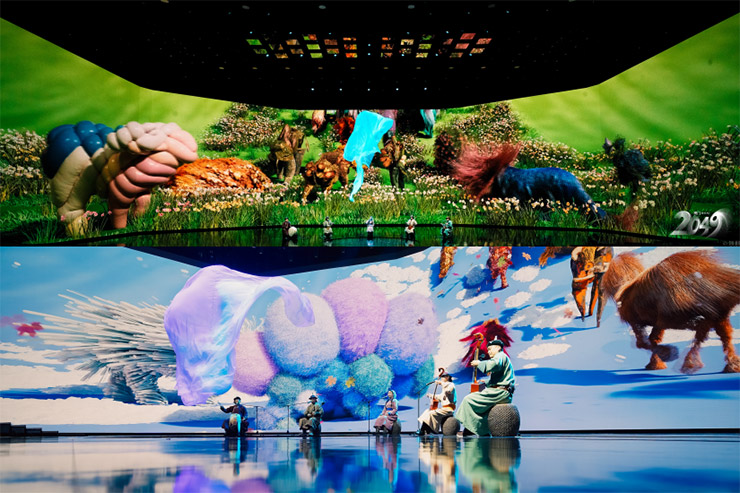
Within the venue, visuals are used as both scenery and communication: the 930 m² LED wall functions as a dynamic architectural element (including automated movement), enabling immersive storytelling, reveals, and rapid brand/theme changes; routing and presets support everything from cinematic show playback to multi-source IMAG and keynote presentations.
The results include high-impact visuals with consistent colour and mapping, fast resets between event modes, seamless touring integration, and improved uptime through redundancy, monitoring, and maintainable system design.

The installer’s trussing/staging process focused on speed, safety, and repeatable builds for a venue that changes format multiple times per day. They began by mapping event modes (proscenium, concert, corporate, flat-floor) and translating them into standard rigging grids, loading limits, and staging footprints, coordinated with lighting, audio, video and automation requirements. A modular inventory strategy was then implemented—standard truss lengths, connection methods, and certified motors—so common rigs can be built quickly with minimal variation.
Installation and commissioning included load verification, motor/hoist testing, and documented rigging methods with defined pick-point plans and safe working procedures. The staging system was integrated with venue engineering so decks, platforms, and temporary structures can be deployed without compromising sightlines, access, or hotel circulation.
In use, trussing and staging provide the physical “infrastructure layer” that enables AV: they support fast deployment of lighting grids, PA hangs, IMAG/camera positions, scenic elements, and touring production packages, with clear routing for power/data and predictable trim heights. Where required, they interface with automated systems so flown and floor-based elements can be aligned to show cues and room transformations.
The results include faster load-in/out, fewer custom one-off builds, improved consistency for touring teams. They also deliver higher safety assurance through certified equipment, documented methods, and CMMS-supported inspection/maintenance—enabling back-to-back events while maintaining hotel-grade guest experience.

The installer’s SFX process focused on safe, repeatable spectacle that can be deployed quickly across a venue that changes format multiple times per day. They began by mapping show and event use-cases (resident production, concerts, ceremonies, corporate) and then engineered a standardised SFX infrastructure: fixed power/data, distributed control nodes, clear deployment zones, and documented rigging positions so effects can be added or removed without re-building the room.
Commissioning prioritised compliance and reliability. The installer implemented interlocks, key control, emergency stops, and venue-specific safe zones, then verified cue triggering, timing accuracy, and integration with lighting, video and automation via timecode and DMX/relay control. Handover included operating procedures, checklists, and CMMS-linked inspection/maintenance schedules.
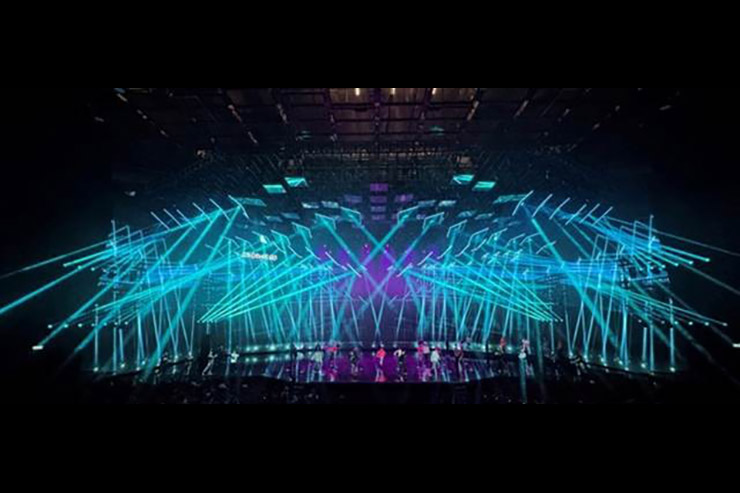
Within the venue, SFX is used to elevate key moments: haze/smoke for beam definition and depth, Sparkular-style cold spark, confetti/streamers, and seven full-spectrum laser units (programmed via Pangolin) for large-scale aerial looks and kinetic transitions. Effects are applied with adjustable intensity profiles so the same system can deliver high-impact concert peaks or restrained corporate accents.
The results demonstrate consistent “headline” moments with precise synchronisation by faster changeovers through preset-based operation and standard deployment plans, safety is strengthened by engineered controls and thorough documentation, while uptime is improved through preventative maintenance. Collectively, these outcomes deliver dramatic impact without compromising guest comfort or hotel operations.

The main challenges centred on delivering theatre-grade infrastructure inside an active luxury resort, while meeting the venue’s requirement for rapid reconfiguration and high operational reliability.
1) Limited ceiling height and clearance
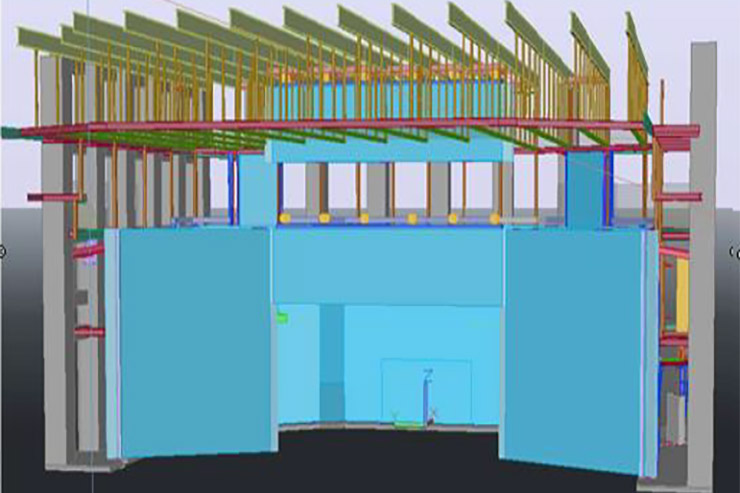
The venue’s overhead restrictions constrained loudspeaker hangs, lighting trim heights, projection angles, and automation travel. This was overcome through modular rigging positions, optimised array designs, and an automation strategy that combined Tait Navigator and Gala to choreograph movement safely within tighter envelopes.
2) Noise and vibration limits in a hotel environment
Build activity, rehearsals, and high-output shows had to protect adjacent guest areas. The team implemented venue-specific SPL targets, used measurement-led system tuning (P1/Smaart), planned “quiet-time” workflows, and ensured mechanical systems operated within defined noise and speed profiles.
3) Sightlines, aesthetics, and constantly changing room formats
Frequent switches between proscenium, concert, gala and flat-floor layouts risked obstructed views and inconsistent guest experience. This was solved with modular seating, mobile FOH/control positions, and standardised trim/focus libraries and presets so audio, lighting and video could be redeployed without compromising presentation quality.
4) Integration complexity across AV, LED motion, staging and SFX
A 930 m² LED wall with 13 axes of movement, immersive audio, timecoded lighting, and SFX demanded precise synchronisation and robust fail-safes. The installer delivered a timecode/genlock-aware ecosystem, engineered interlocks/E-stops/safe zones, and validated performance through full scenario testing.
5) Reliability at scale with touring and multi-format demands
To avoid downtime, the system was built with redundancy (media servers, routing, processing), secure equipment-room architecture, and a CMMS-driven maintenance and compliance framework—ensuring repeatable performance during back-to-back programming, including ~12-minute room transformations.

MGM Theatre demonstrates how theatre-grade AV engineering can be fully integrated into a luxury resort environment without sacrificing operational speed, guest comfort, or safety.
At its core is a rare combination of scale and agility: a 930 m² LED wall with 13 automated axes that functions as moving architecture, paired with a permanent L‑Acoustics L‑ISA immersive audio deployment and a production-grade lighting/SFX ecosystem. These systems don’t exist as standalone “big toys”—they are unified through timecode, robust routing, and disciplined control frameworks so the venue behaves like a single instrument.
What makes the project exceptional is the repeatability under pressure. The theatre can shift between proscenium theatre, concert, corporate, gala, and flat‑floor formats with a ~12‑minute transformation, supported by modular seating, mobile control positions, and distributed connectivity (fibre/network/AES/analogue/coax). This allows true back‑to‑back programming without rebuilding infrastructure or disrupting the resort.
Equally important is the project’s commitment to long-term excellence: a comprehensive CMMS-driven maintenance and compliance approach provides full traceability for key assets (LED, rigging/automation, lighting/SFX, audio), enabling high uptime and consistent performance.
Ultimately, MGM Theatre sets a benchmark for innovation + integration + real-world operability—delivering world-class show capability inside a hotel setting, at speed, safely, and with a consistently premium guest experience.