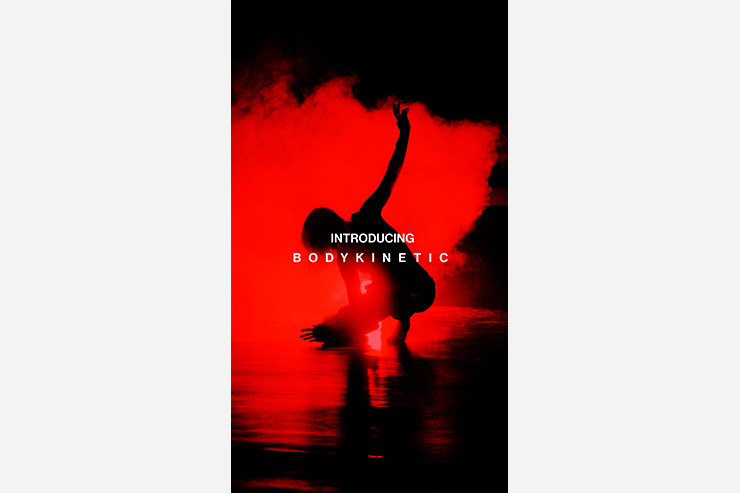

fabric London – Room 1 Bodykinetic Dancefloor


Projectfabric – Room 1 Bodykinetic DancefloorLocationLondon, UKSystems Integratorfabric londonSubmitted ByPowersoft

fabric London has unveiled a next-generation version of its legendary Bodykinetic dancefloor as part of the club’s Room 1 sound system renovation. Originally introduced when the venue opened in 1999, the dancefloor concept converts audio signals into physical vibrations that are felt through the body.

The latest upgrade replaces hundreds of legacy tactile transducers with a streamlined system built around Powersoft’s Mover moving-magnet transducer technology, delivering greater responsiveness, improved reliability and significantly lower power consumption.

The installation enhances the club’s immersive audio experience while preserving the unique identity of one of the world’s most influential electronic music venues.

The renovation of Room 1 at fabric London formed part of the venue’s fabric25 anniversary celebrations, marking 25 years since the club first opened its doors.

A key element of the original venue design was the Bodykinetic dancefloor, an innovative system that used tactile transducers to convert subharmonic audio signals into physical vibrations transmitted through the floor.

For the latest upgrade, the technical team set out to modernise this system while preserving the unique sensory experience that has defined the club since its opening in 1999.

After years of planning and development, the project team implemented a redesigned Bodykinetic floor powered by 36 units of Powersoft’s Mover moving-magnet haptic transducer, installed beneath the dancefloor structure.

Unlike traditional moving-coil tactile systems, Mover’s moving-magnet design allows the system to deliver stronger and more precise haptic feedback while requiring significantly fewer devices.

The upgrade dramatically simplifies the infrastructure compared to the original installation, which used approximately 450 tactile transducers, while delivering improved responsiveness and reliability.

The installation was carried out immediately following the venue’s New Year’s Day event, with the club’s full technical team coordinating the replacement and commissioning process to minimise downtime.

The resulting system works in conjunction with the club’s multi-channel sound system and DJ booth processing to create a powerful audio-tactile experience that allows dancers to physically feel low-frequency elements of the music.

One of the key challenges was upgrading a signature feature of one of the world’s most iconic nightclubs without compromising the unique sensory experience that regular visitors associate with the venue.

The original Bodykinetic dancefloor was a pioneering concept when fabric opened in 1999, meaning the upgrade needed to preserve its core functionality while significantly improving efficiency and performance.

Another challenge involved implementing the new system within the existing architectural structure of the dancefloor. The installation required careful integration beneath the floor to ensure vibrations were transmitted evenly across the entire dancing surface.

The project also had to be delivered within a very limited installation window, taking place immediately after a major New Year’s event before the club resumed its programming schedule.

Finally, the team sought to reduce the system’s energy consumption and mechanical complexity while maintaining the powerful tactile feedback that defines the Bodykinetic experience.

Few venues carry the cultural weight of fabric, and fewer still attempt to evolve something as iconic as its Bodykinetic dancefloor. This upgrade does so with confidence and precision.

By replacing hundreds of legacy transducers with a streamlined system of 36 high-performance haptic units, the installation significantly improves responsiveness while reducing energy demands and system complexity. The tactile connection between music and movement remains central, but is now more refined, efficient and reliable.

Importantly, the upgrade also broadens accessibility, allowing guests to experience music physically through vibration. It is a rare example of innovation that both honours a legacy and meaningfully advances it.